How Much Soil Mix Do You Really Need for a Raised Bed?
Measure the interior of the frame, not the board, then convert cubic feet to bags or yards with the settling allowance built in instead of added twice.
Read moreMeasure the interior of the frame, not the board, then convert cubic feet to bags or yards with the settling allowance built in instead of added twice.
Read moreContainer roots freeze one to two USDA zones colder than in-ground roots. Here's why pot size, wall placement, and winter care decide who survives.
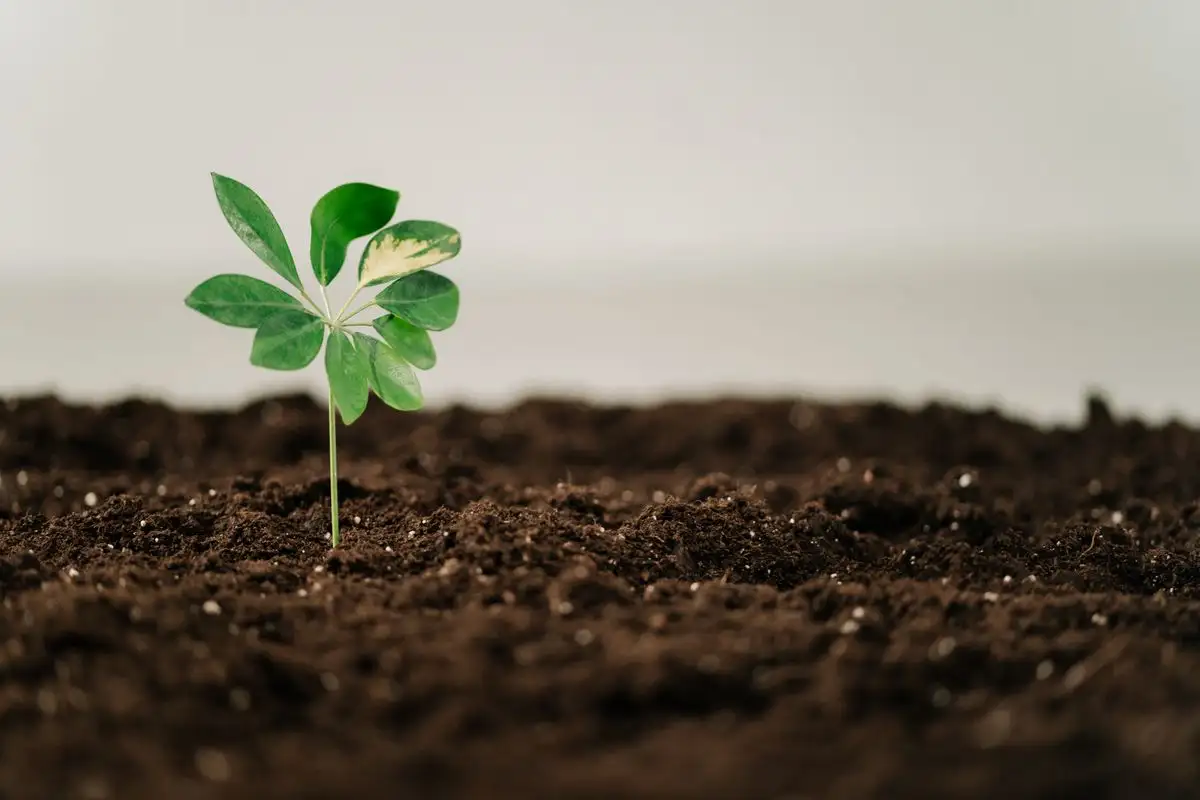
Color kits, hand-held meters, and lab suspension tests resolve different questions. Sampling error usually matters more than the method you pick.
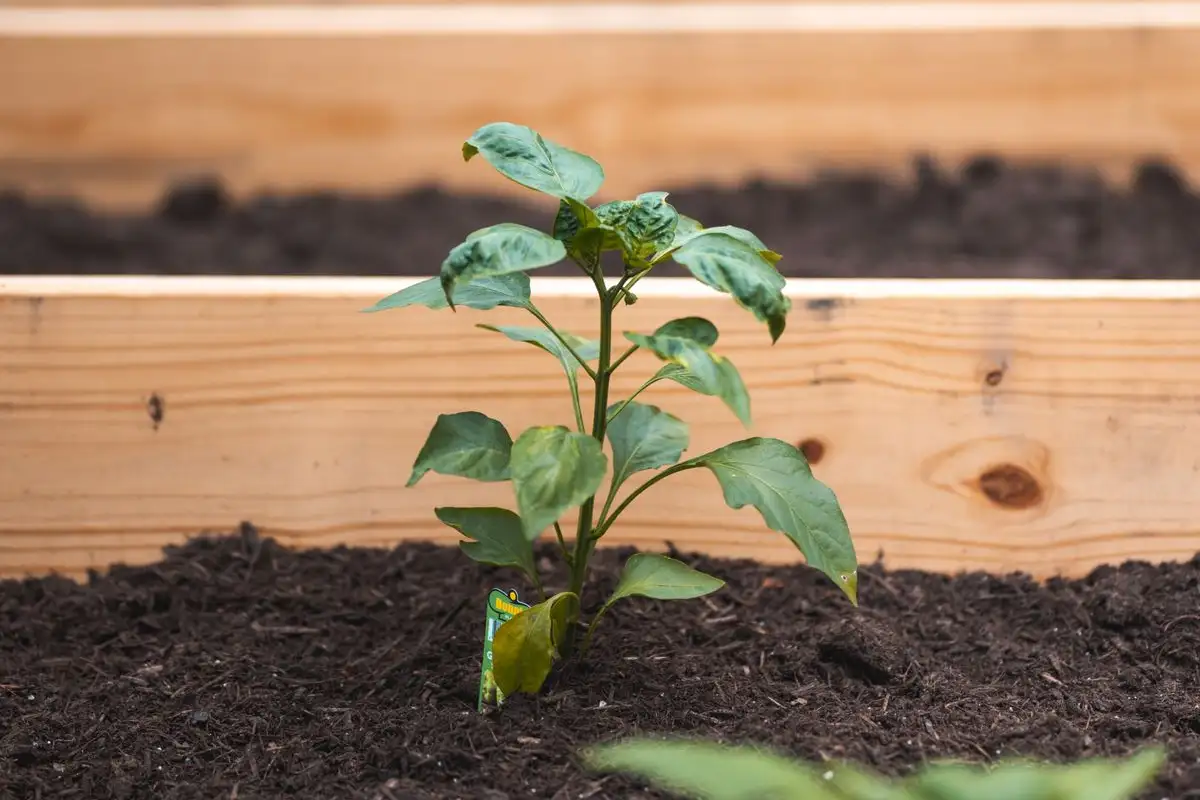
Skip the month-by-month chart. Count back from your last and first frost dates using days to maturity, frost tolerance, and fall day-length.

Days to maturity only means something against your frost-free window. How to subtract the 10-14 day buffer packet numbers leave out and pick varieties that finish.
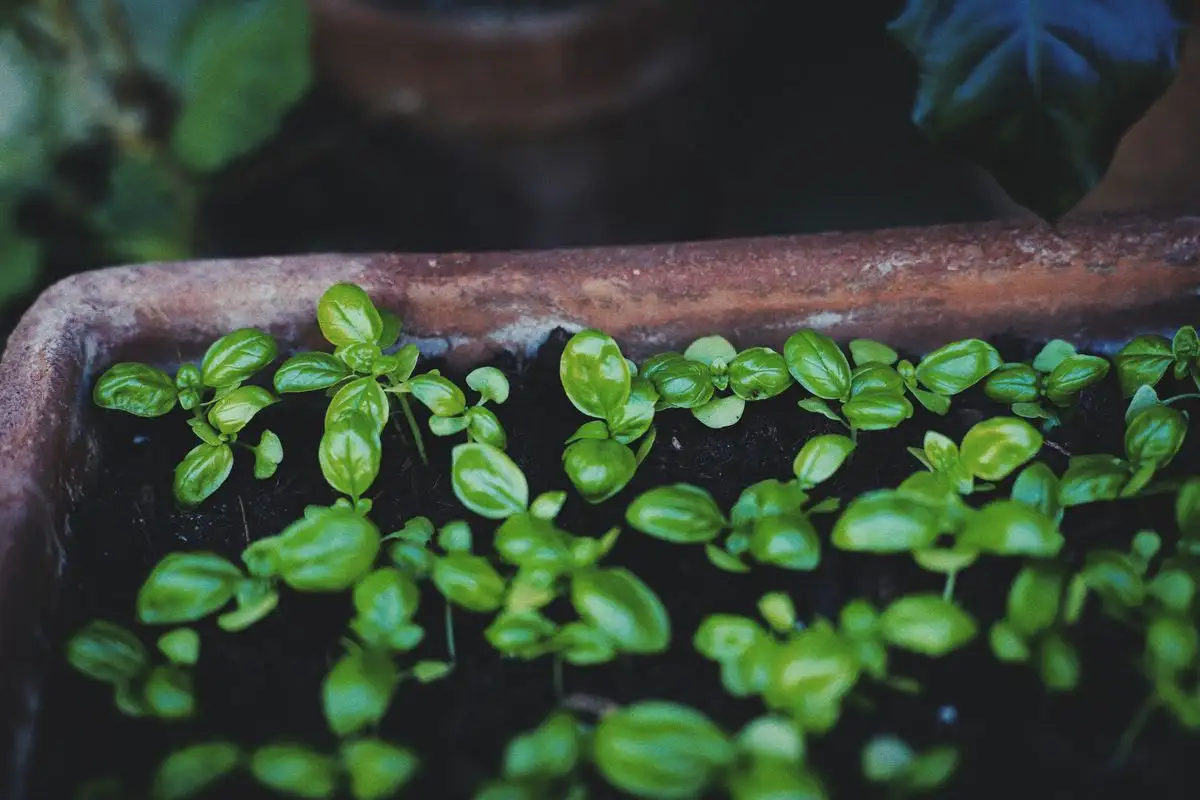
Soilless potting mix runs out of food weeks before harvest. How container gardeners time feeding around the switch from leaf growth to fruiting.
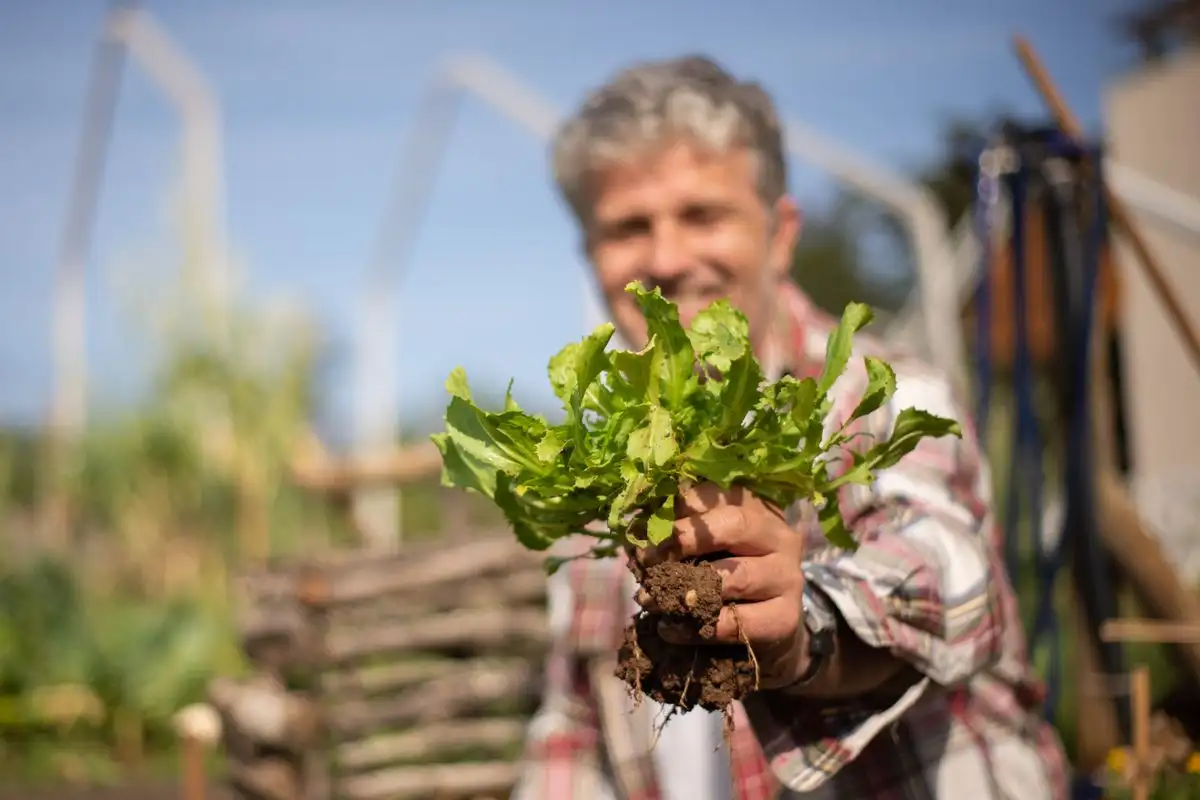
Days to maturity is a guide, not a date. Read greens and roots for the cues that say pull now, so the next succession goes in while the season still allows.
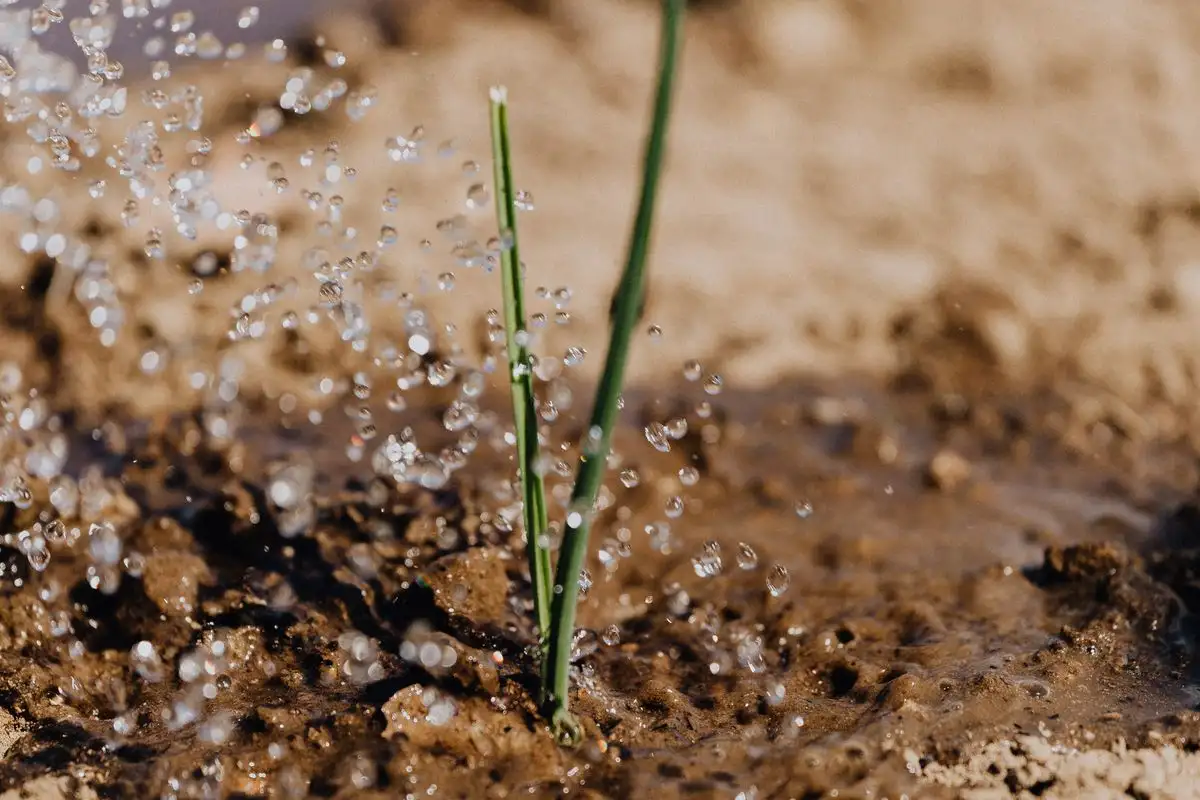
Add up your emitters, divide the gallons you want by the zone's total flow, multiply by 60 — then check the wetted band with a trowel, not the timer.
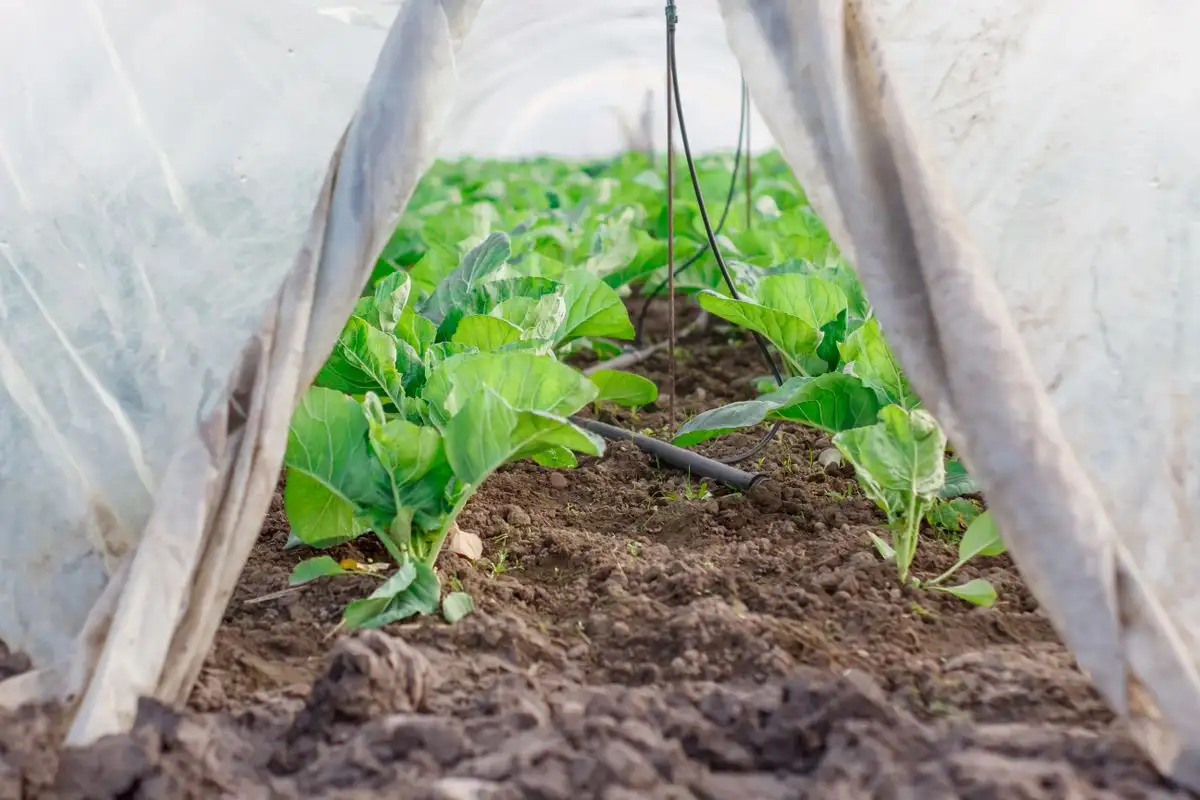
Measure bed width, mature crop height, and end access before buying hoops or row cover fabric. These sizing rules keep low tunnels off the leaves.
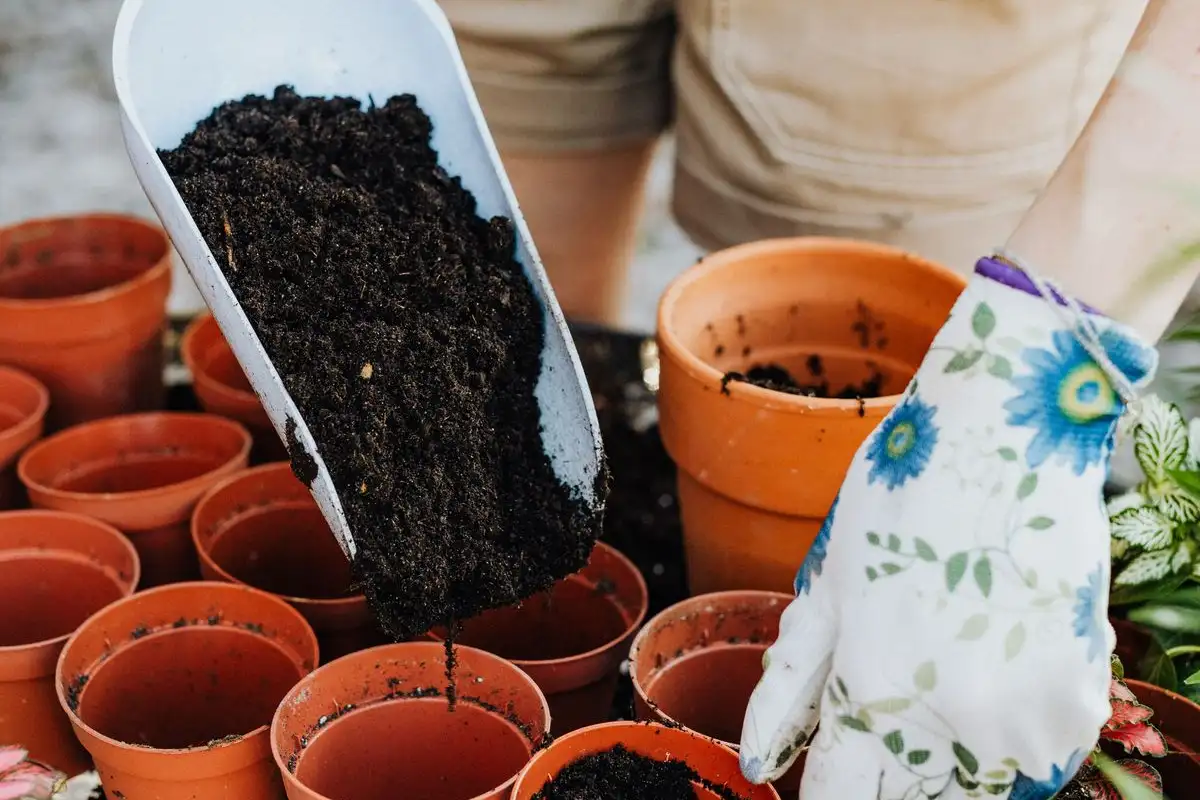
Container potting mix has almost no pH buffer. Here's how ammonium fertilizer and hard tap water pull it apart in one season, and how to correct it.
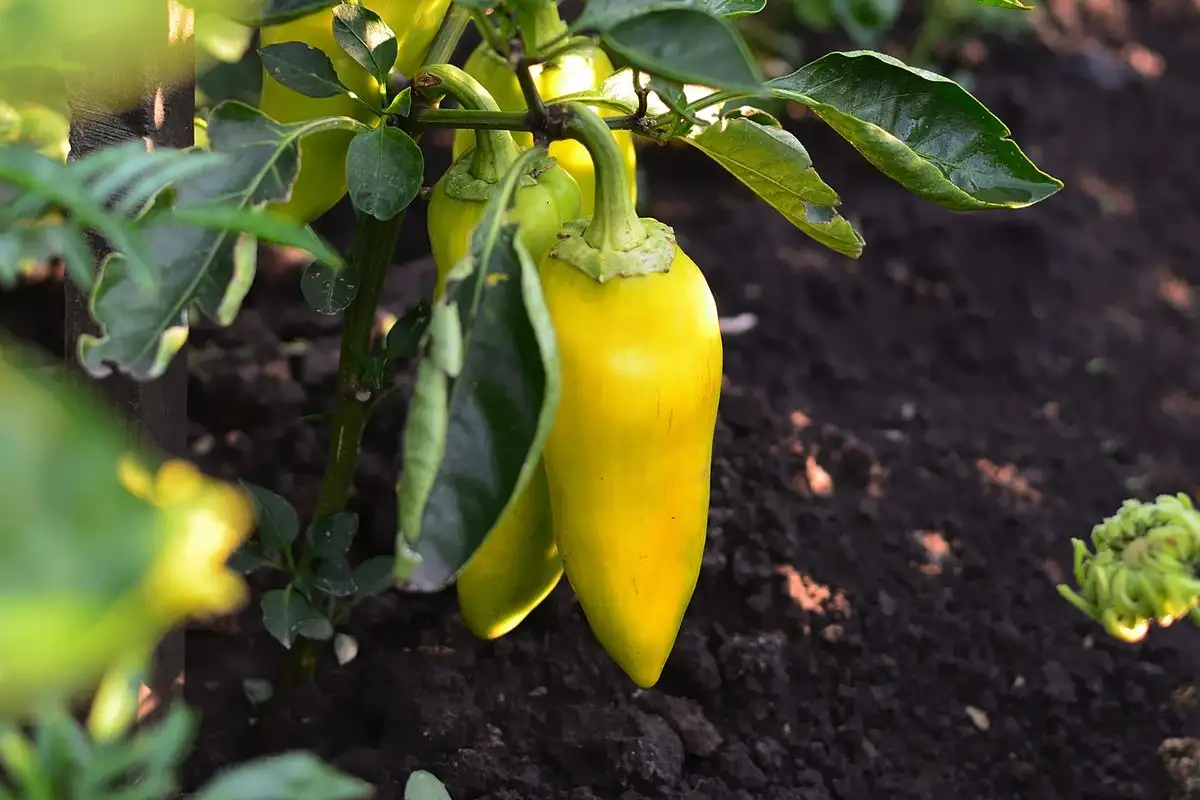
Sort vegetables by the width of the pH band each one tolerates, then match them to the soil you already have instead of rebuilding the bed this season.